




Table of Contents
- Introduction
- Definition
- What Is the Evidence Act 1995 NSW?
- Why the Evidence Act 1995 NSW Matters
- Key Principles Under the Evidence Act 1995 NSW
- Types of Evidence Explained
- Admissibility Rules in Practice
- Privilege and Confidential Information
- Witnesses and Examination Rules
- Hearsay and Exceptions
- Opinion Evidence Simplified
- Tendency and Coincidence Evidence
- Comparison Table: Admissible vs Inadmissible Evidence
- Practical Checklist for Using Evidence in NSW Courts
- Real-World Application in Australia Courts
- Common Mistakes to Avoid
- People Also Ask (PAA)
- Expert Q&A Section
- Conclusion
Introduction
If you’re researching the evidence act 1995 nsw, you’re likely trying to understand how evidence is handled in New South Wales courts. From my experience working with Australian legal processes, this Act forms the backbone of how courts decide what information can be used to prove a case, and just as importantly, what must be excluded.
Whether you’re involved in litigation, studying law, or simply trying to understand your rights, the Evidence Act 1995 (NSW) is essential reading. It governs how evidence is presented, tested, and evaluated across most NSW court proceedings.
Definition
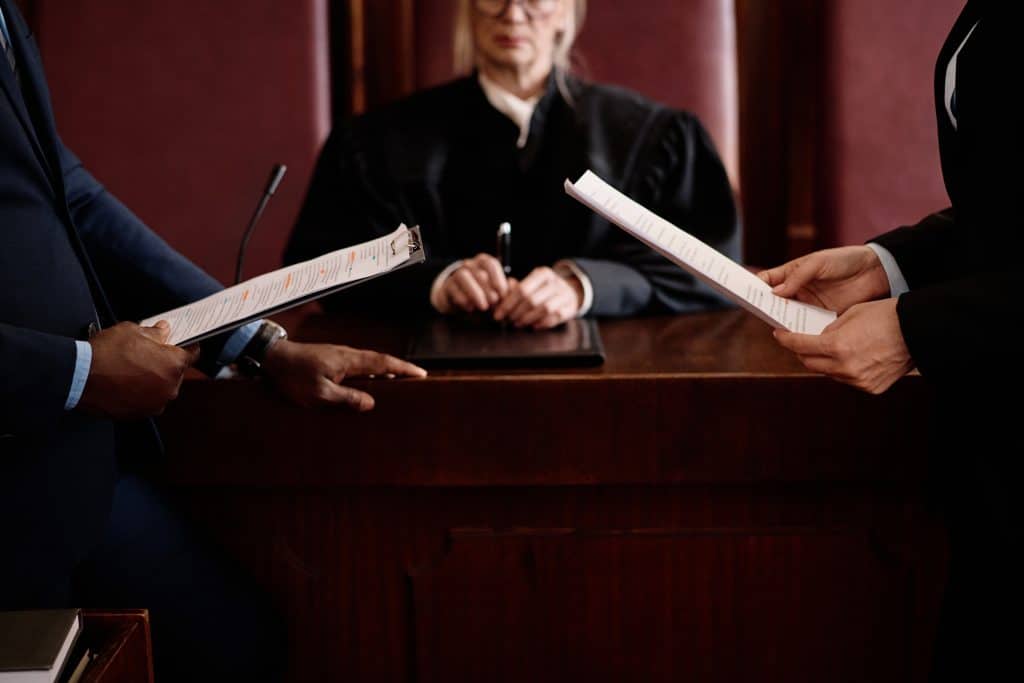
The Evidence Act 1995 (NSW) is a key Australian law that sets out the rules for what evidence can be presented in New South Wales courts. It governs admissibility, reliability, and fairness, ensuring that only relevant and properly obtained information is used to decide legal cases.
What Is the Evidence Act 1995 NSW?
The Evidence Act 1995 (NSW) is legislation that standardises how evidence is handled in courts across New South Wales. It aligns closely with the Commonwealth Evidence Act 1995, creating a largely uniform system across Australia.
The Act applies to:
- Criminal proceedings
- Civil cases
- Some tribunal matters
It outlines:
- What counts as evidence
- When evidence is admissible
- How evidence can be challenged
According to the official NSW legislation website, the Act aims to ensure fairness, efficiency, and consistency in legal proceedings.
Why the Evidence Act 1995 NSW Matters
Understanding this Act is crucial because it directly affects:
- Court outcomes
- Legal strategy
- Witness credibility
- Case strength
For example, even if information is true, it may still be excluded if it breaches rules under the Act.
In Australia, courts prioritise fairness over volume of evidence, which means:
- Not all evidence is allowed
- Rules are strictly applied
- Judges act as gatekeepers
Key Principles Under the Evidence Act 1995 NSW
1. Relevance
Evidence must be directly relevant to the case. If it doesn’t help prove or disprove a fact in issue, it’s excluded.
2. Admissibility
Even relevant evidence can be excluded if:
- It is unfairly prejudicial
- It is misleading
- It wastes court time
3. Reliability
Courts prefer evidence that is:
- First-hand
- Verifiable
- Consistent
4. Fairness
Judges may exclude evidence if admitting it would be unfair to a party.
Types of Evidence Explained
Under the Evidence Act 1995 NSW, evidence falls into several categories:
- Oral Evidence: Testimony from witnesses
- Documentary Evidence: Contracts, emails, reports
- Real Evidence: Physical items (e.g. weapons, objects)
- Demonstrative Evidence: Charts, diagrams
Each type must meet strict admissibility rules.
Admissibility Rules in Practice
Admissibility is one of the most important aspects of the Act.
Key Tests:
- Is the evidence relevant?
- Does it fall under an exclusion rule?
- Does an exception apply?
For instance, hearsay evidence is generally excluded, but exceptions exist.
The Australian Law Reform Commission highlights that admissibility rules aim to balance truth-finding with fairness.
Privilege and Confidential Information
The Act protects certain communications through privilege, including:
- Legal professional privilege
- Client-lawyer communications
- Without prejudice negotiations
This ensures people can seek legal advice openly without fear of disclosure.
Witnesses and Examination Rules
Witnesses play a central role in NSW courts.
The Act governs:
- Examination-in-chief
- Cross-examination
- Re-examination
It also sets rules around:
- Leading questions
- Credibility challenges
- Witness competence
For example, vulnerable witnesses may receive special protections.
Hearsay and Exceptions
What is hearsay?
Hearsay is second-hand information, something a witness heard from someone else.
General rule:
Hearsay is not admissible.
Exceptions include:
- Business records
- Admissions
- Statements against interest
These exceptions exist because some hearsay can still be reliable.
Opinion Evidence Simplified
Generally, witnesses can only give facts, not opinions.
However, exceptions apply:
- Expert witnesses (e.g. doctors, engineers)
- Lay opinions based on perception
This ensures courts rely on specialised knowledge where necessary.
Tendency and Coincidence Evidence
This type of evidence shows patterns of behaviour.
For example:
- Past actions indicating a tendency
- Similar events suggesting coincidence
Courts are cautious with this evidence due to its potential prejudice.
Comparison Table: Admissible vs Inadmissible Evidence
| Feature | Admissible Evidence | Inadmissible Evidence |
|---|---|---|
| Relevance | Directly related to case | Irrelevant |
| Reliability | Verifiable and credible | Uncertain or hearsay |
| Fairness | Does not prejudice parties | Unfairly prejudicial |
| Legal Compliance | Meets Evidence Act rules | Breaches exclusion rules |
Practical Checklist for Using Evidence in NSW Courts
- Identify whether the evidence is relevant
- Check if any exclusion rules apply
- Assess reliability and credibility
- Determine if exceptions apply
- Prepare supporting documentation
- Review procedural requirements
- Ensure compliance with court rules
This checklist reflects common administrative steps, not legal advice, and should always be reviewed by a qualified legal professional.
Real-World Application in Australia Courts
From practical experience, the Evidence Act 1995 NSW is applied strictly in:
- Criminal trials (e.g. assault, fraud cases)
- Civil disputes (e.g. contracts, negligence)
- Appeals
Judges often exclude evidence even at late stages if it fails admissibility tests.
This reinforces the importance of preparation and compliance.
Common Mistakes to Avoid
- Relying on hearsay without checking exceptions
- Submitting irrelevant documents
- Misunderstanding expert evidence rules
- Ignoring privilege protections
- Overloading the court with unnecessary material
Avoiding these mistakes can significantly improve case clarity.
People Also Ask (PAA)
What does the Evidence Act 1995 NSW cover?
It covers rules about what evidence can be used in NSW courts, including admissibility, relevance, and reliability. It applies to both civil and criminal proceedings.
Is hearsay always inadmissible in NSW?
No. While hearsay is generally excluded, there are several exceptions, such as business records and admissions.
Does the Evidence Act 1995 NSW apply to all courts?
It applies to most NSW courts, including District and Supreme Courts, but some tribunals may follow modified rules.
What is relevance under the Evidence Act?
Relevance means the evidence must logically affect the probability of a fact in issue in the case.
Can opinion evidence be used in NSW courts?
Yes, but usually only from experts or where it is based on direct observation.
Expert Q&A Section
1. How does the Evidence Act 1995 NSW differ from common law rules?
The Act codifies and standardises many common law principles, making them clearer and more consistent across courts.
2. What role does judicial discretion play?
Judges have discretion to exclude evidence if it is unfair, misleading, or wastes time, even if technically admissible.
3. Are digital records admissible under the Act?
Yes, digital records such as emails and metadata are admissible if they meet reliability and authenticity requirements.
4. How does the Act handle vulnerable witnesses?
Special provisions exist to protect children and vulnerable individuals, including alternative methods of giving evidence.
5. Can illegally obtained evidence be used?
Sometimes. Courts weigh the seriousness of the breach against the importance of the evidence before deciding.
Conclusion
The evidence act 1995 nsw is central to how justice operates in New South Wales. It ensures that only relevant, reliable, and fair evidence is considered, helping courts reach balanced decisions.
Understanding its principles, such as admissibility, hearsay rules, and privilege, can make a significant difference in navigating legal processes in Australia.
If you need guidance tailored to your situation, consider seeking professional support from experienced legal practitioners. For practical assistance and further insights, visit this experienced Australian legal team.